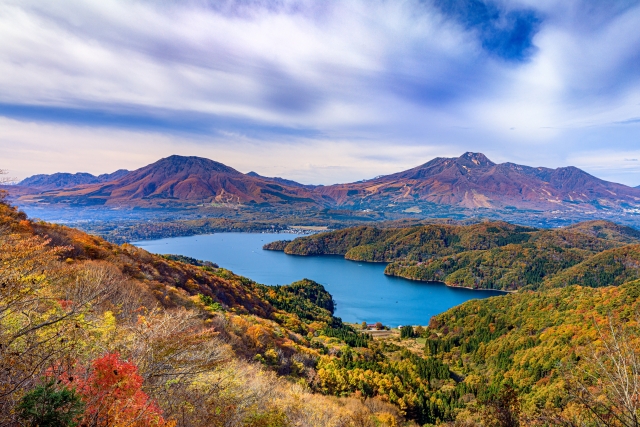
Hidden in the northern mountains of Nagano Prefecture, Lake Nojiri is one of Japan’s most fascinating prehistoric sites. Today it is a peaceful lakeside resort, but beneath its calm waters lies a dramatic story stretching back to the Paleolithic era.
🏺 A Landmark Discovery in 1948
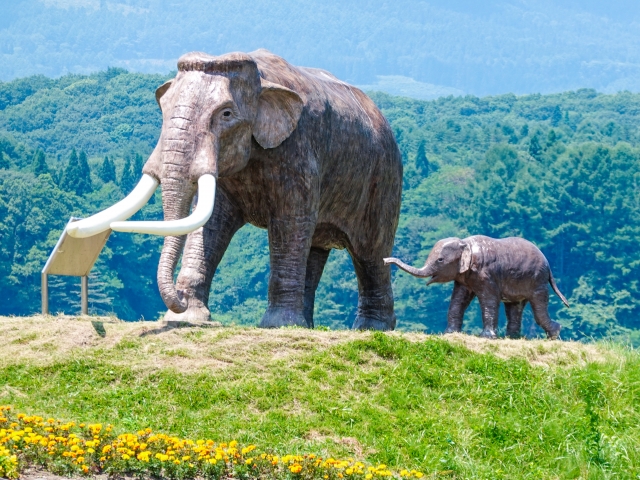
In 1948, workers unexpectedly uncovered the fossilized bones of the Naumann elephant, a species that lived in East Asia during the Ice Age. This discovery triggered the long-term Nojiri-ko Excavation Project, which has now conducted more than 20 large-scale digs.
Excavations have revealed:
- Bones of Naumann elephants and giant deer
- Hundreds of stone tools
- Rare wooden hunting implements
- Evidence of meat processing
- Signs of large-scale, organized hunting
These findings show that prehistoric hunters camped around the lake over 40,000 years ago, using the frozen lake surface and forests to hunt large animals.
🧊 Life Around the Ice Age Lake
During the Paleolithic period, the lake area was much colder than today. Large animals roamed the region, and early humans likely migrated with the seasons. Lake Nojiri stands out for providing clear evidence that:
- Humans hunted Naumann elephants
- They used spear-like wooden and stone tools
- They processed meat on-site
- Groups cooperated in sophisticated hunting strategies
🏛 Nojiri-ko Museum
The Lake Nojiri Naumann Elephant Museum offers life-sized dioramas, original fossils, excavation records, and interactive exhibits that bring Japan’s Ice Age to life. It is a rare opportunity to see how ancient people lived, hunted, and survived.
🍁 A Destination with Four Seasons
Beyond history, Lake Nojiri is a scenic travel destination: canoeing in summer, colorful foliage in autumn, and snowy landscapes in winter. Knowing the deeper history adds a sense of time-travel to your visit—you walk the same shores that hunters stepped on thousands of years ago.
野尻湖 ― 4万年前の人類とナウマンゾウが生きた氷河期の舞台
野尻湖は長野県にある美しい湖ですが、歴史的には日本の先史時代を理解する上で最重要級の遺跡として知られています。
🔍 1948年、ナウマンゾウ発見が歴史を動かした
1948年、湖畔で作業していた人々が偶然ゾウの牙を見つけました。これがナウマンゾウ化石の大発見につながり、日本の考古学は大きく前進しました。
その後、野尻湖では20回以上の体系的発掘調査が行われ、以下のような遺物が確認されています。
- ナウマンゾウ・オオツノジカの骨
- 石器(ナイフ形・尖頭器・スクレイパーなど)
- 保存状態の良い木製の槍や道具
- 大型動物を解体した痕跡
- 集団狩猟の証拠
これにより、野尻湖周辺には約4万年前に狩猟採集民が生活していたことが明らかになっています。
❄ 氷河期の野尻湖はどんな場所だった?
当時の野尻湖は現在よりも寒く、周囲は針葉樹林に覆われていました。ナウマンゾウや大型のシカが生息し、古代人は季節ごとに移動しながら生活していたと考えられています。
特に野尻湖では次のような点が注目されます:
- 冬の凍った湖上で狩りをしていた可能性
- 集団でゾウを追い詰めて仕留めたと考えられること
🧭 野尻湖ナウマンゾウ博物館
館内では氷河期の生活を再現したジオラマ、発掘された化石や石器、発掘現場の模型などが展示されており、先史時代の姿がリアルに伝わります。学びにも観光にも最適な場所です。
✨ Easy English(やさしい英語バージョン)
Lake Nojiri is one of the most important prehistoric sites in Japan. Fossils of the Naumann elephant and many stone tools were found here. These discoveries show that people lived and hunted around the lake over 40,000 years ago.
At the Nojiri-ko Museum, you can see real fossils, hunting tools, and models of Ice Age animals. You can enjoy nature and also learn history at the same time.

コメント